


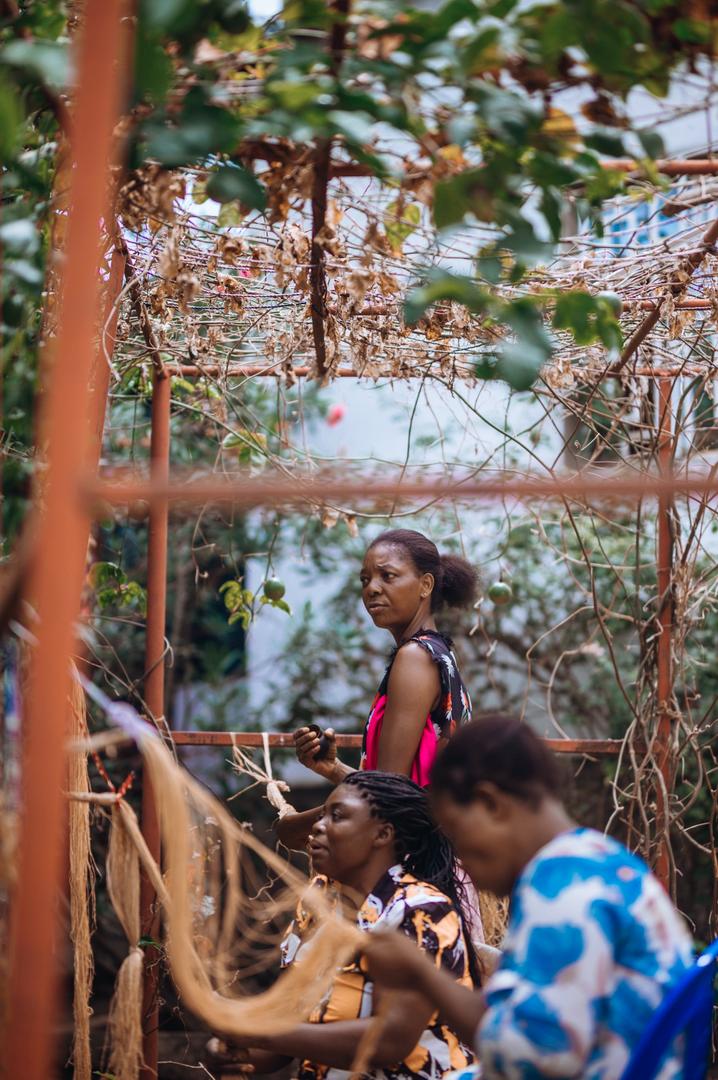
Translating material systems into production.
Kilubukila develops production systems from raffia, Kuba textiles, wood and natural fibers through experimentation, workshop coordination and structured manufacturing.
Production combines:
- material research
- prototyping
- quality control
- technical transmission
- small-batch manufacturing
The objective is to progressively transform material intelligence into contemporary production capacity.
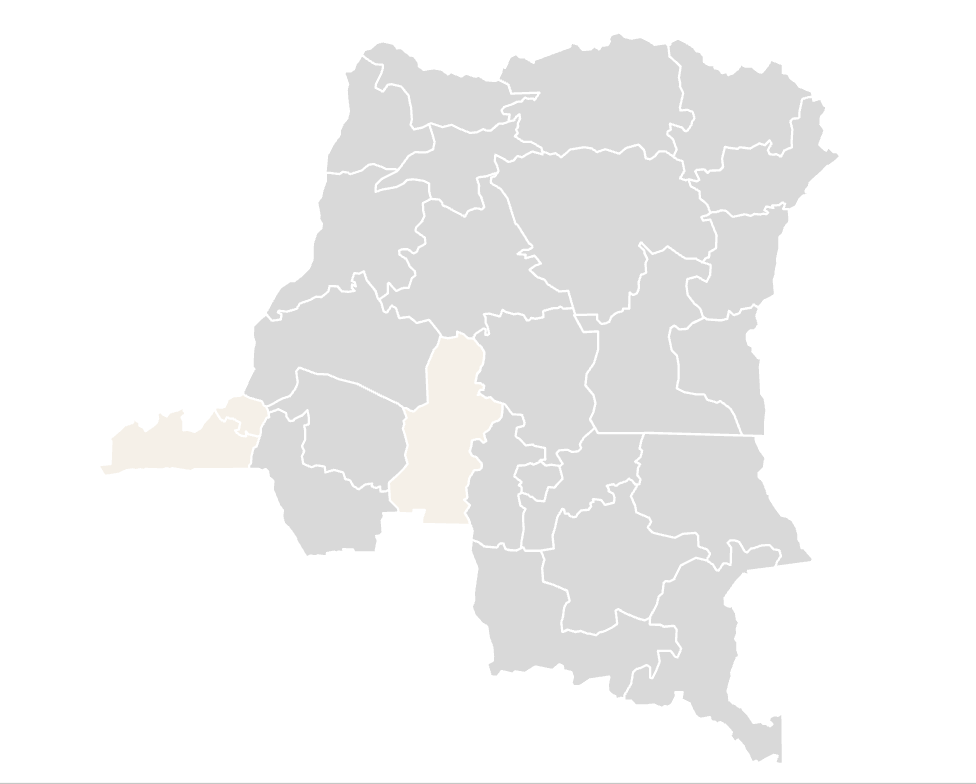
A distributed production ecosystem.
Production operates through interconnected collaborations across Kinshasa, Kasaï and Kongo Central.
Each territory contributes distinct material, technical and production capacities to the ecosystem, forming a distributed infrastructure rooted in the Democratic Republic of Congo.
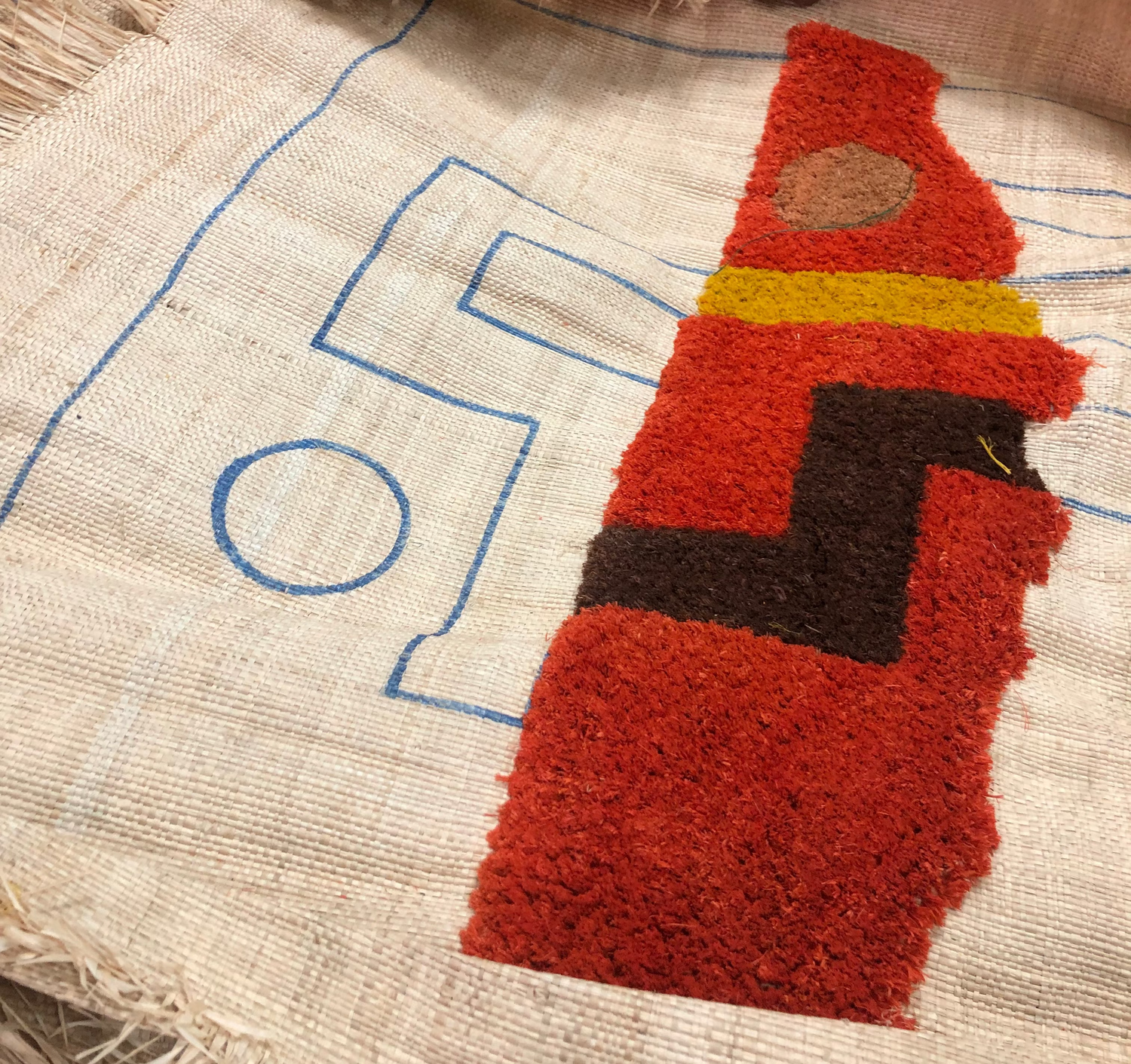
Kinshasa : coordination, assembly and experimentation.
Kinshasa functions as the operational center of the ecosystem.
Activities include:
- prototyping
- assembly
- finishing
- quality control
- logistics
- collection development
The atelier also serves as a space for experimentation, training and production testing.
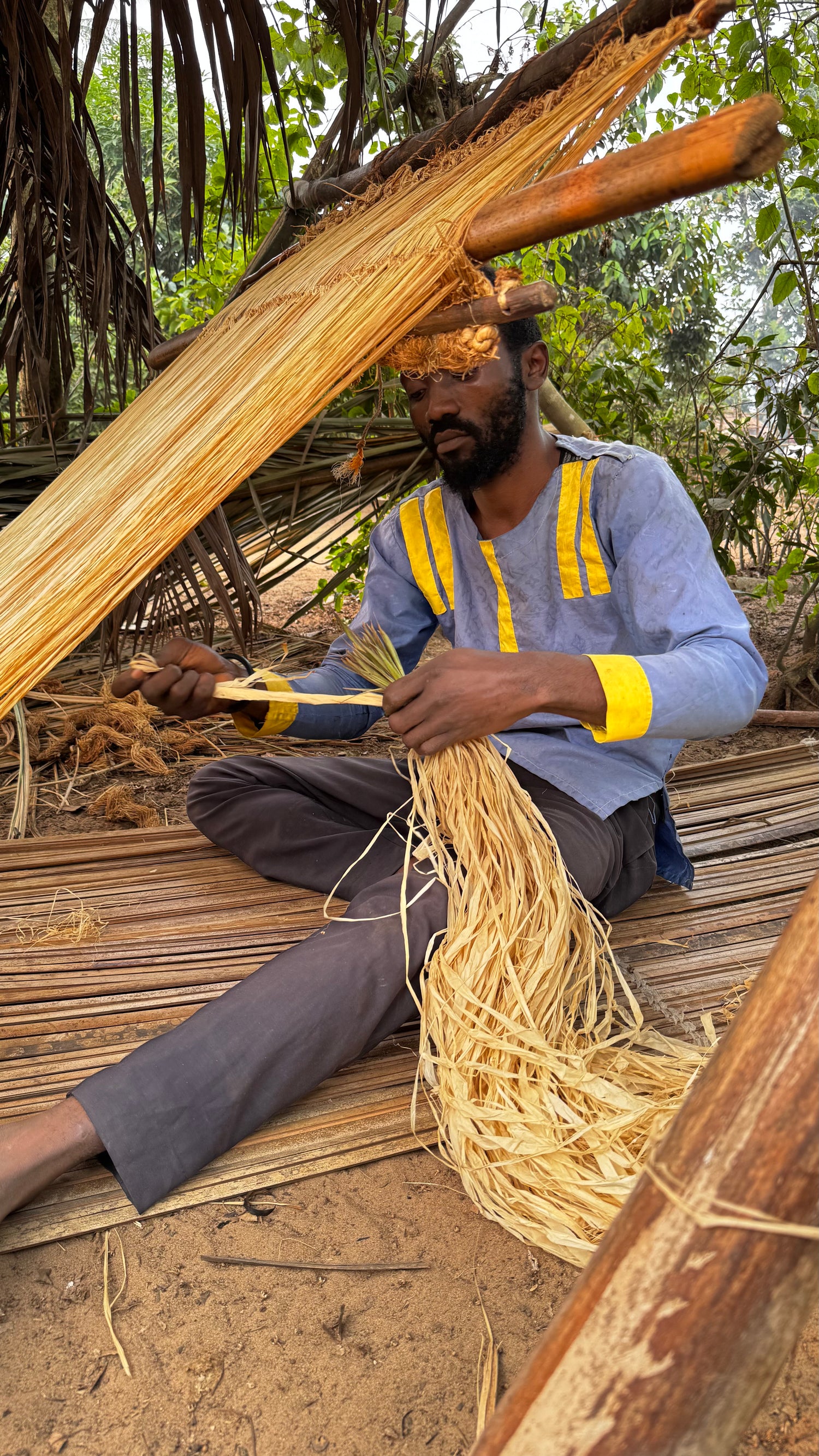
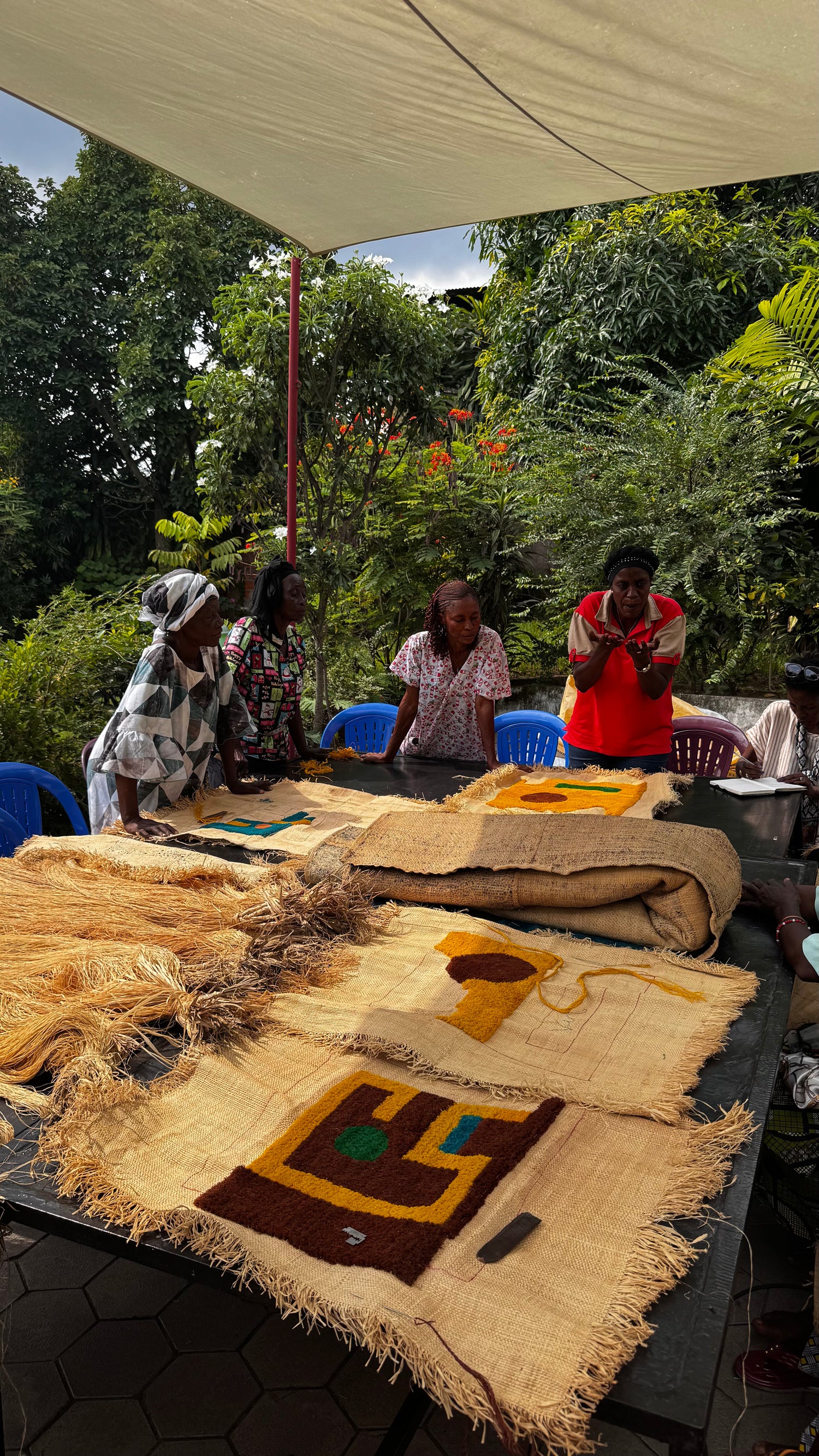
Kasaï : weaving systems and textile knowledge
Kasaï contributes specialized weaving knowledge connected to Kuba textile systems and raffia transformation.
Collaborations in the region support:
- woven structures
- textile construction
- raffia preparation
- weaving transmission
- pattern systems
These relationships remain central to the textile foundations of the ecosystem.
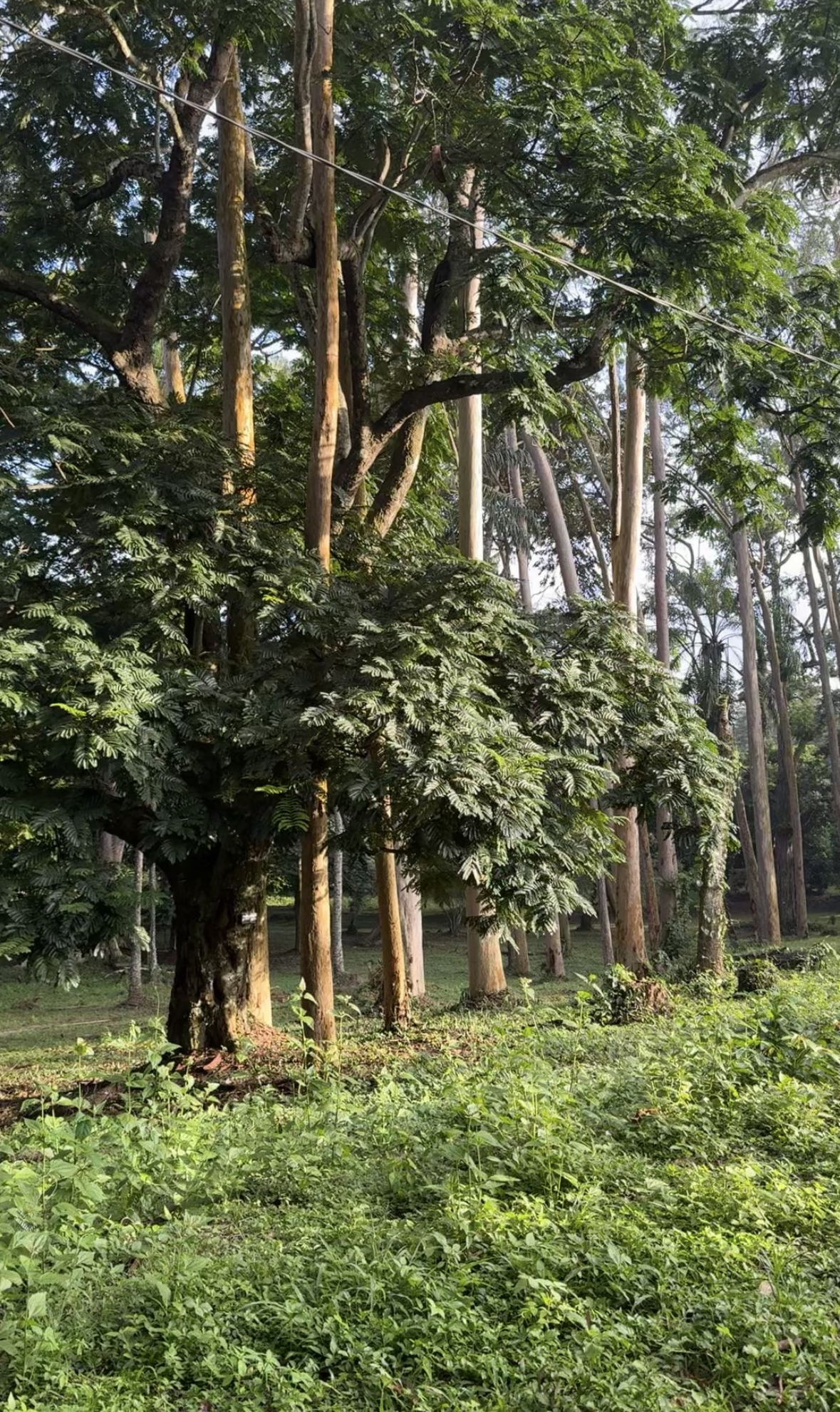
Kongo Central : material sourcing and territorial systems.
Kongo Central supports the ecosystem through natural material access and territorial production networks.
Current and future initiatives focus on:
- raffia ecosystems
- natural fibers
- sourcing systems
- agriculture-linked material development
- future bio-material infrastructure
Production requires structure.
Kilubukila progressively develops systems for:
- quality control
- documentation
- production monitoring
- technical transmission
- process standardization
This work strengthens:
- consistency
- repeatability
- reliability
- long-term production capacity
while preserving the specificity of each material system.

Small-batch, export-ready production.
Collections are developed through controlled small-batch manufacturing adapted to contemporary design markets.
This approach balances:
- material specificity
- production flexibility
- evolving standards
- contemporary quality expectations
The ecosystem currently develops furniture, rugs, textile objects and custom projects for retailers, collectors and collaborators internationally.
Beyond production.
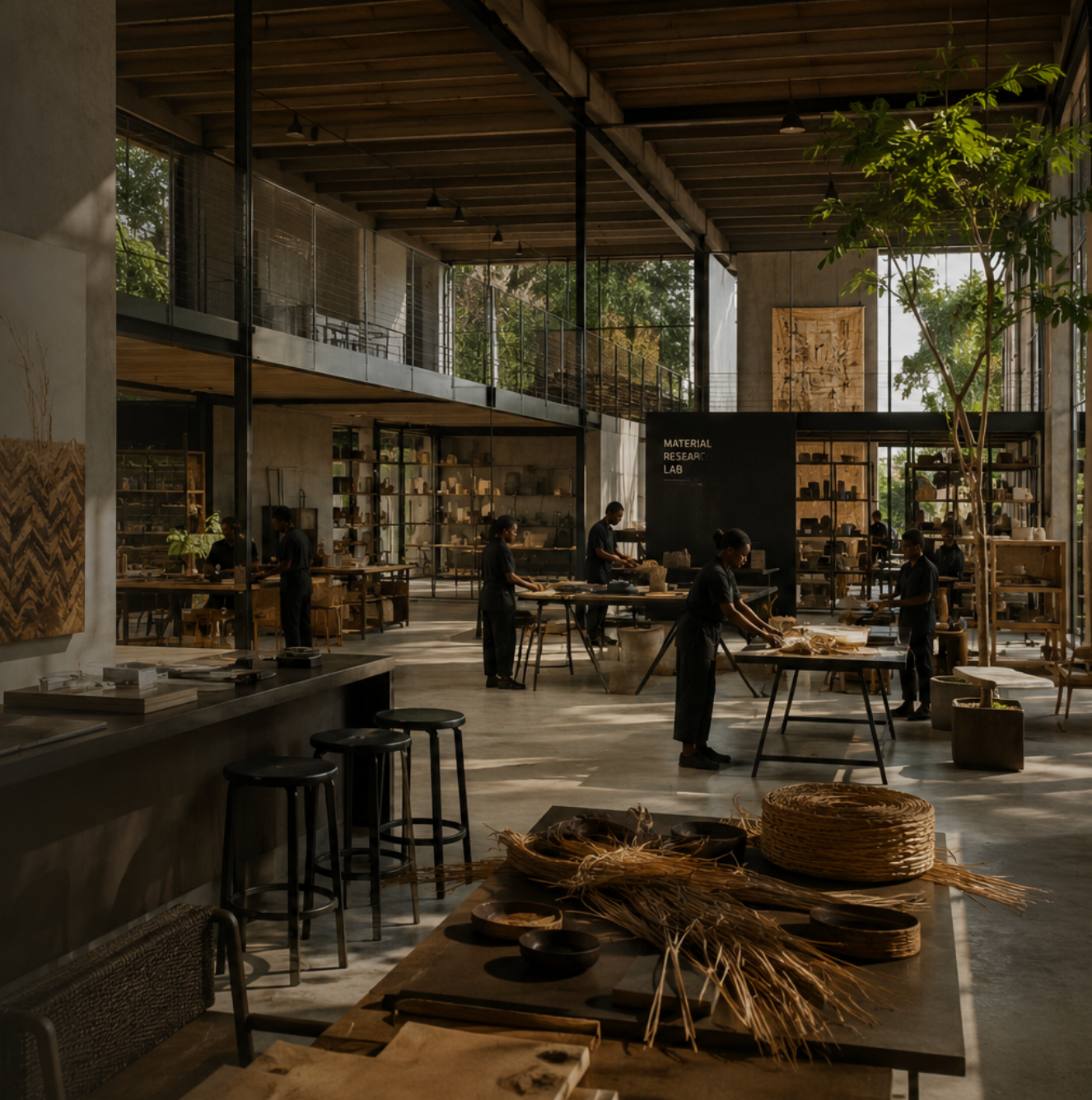
Kilubukila approaches production as long-term infrastructure.
Current development focuses on:
- workshop systems
- training
- material research
- sourcing networks
- scalable manufacturing capacity
The objective is not only to produce objects, but to contribute to the emergence of structured cultural and material industries in the Democratic Republic of Congo.
Work with the production ecosystem.
For collections, sourcing, custom projects and collaborations connected to contemporary African design and material systems.